
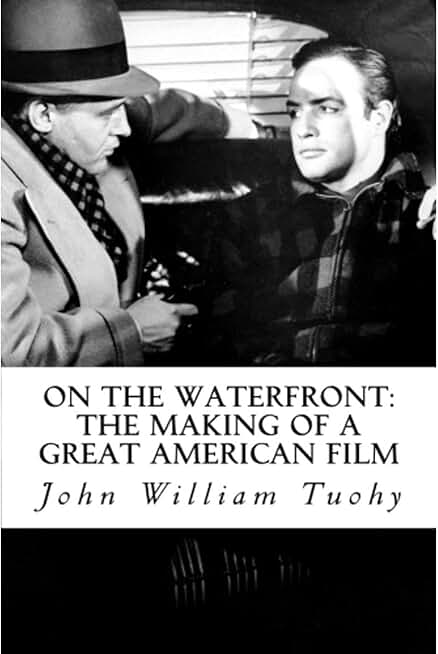

On the Waterfront. The Making of a Great American Film
Olley Taal
Description
The story behind the making of one of the greatest films ever created. Elia Kazan, was the genius behind On the Waterfront, one of Hollywood’s most timeless and unforgettable films. Less than 108 minutes long, Waterfront would win ten Academy Awards, gross over $100 million dollars and define Kazan’s career. But he was a causality of his time and a victim by his own design. And s a result, it all happened in less then 48 minutes. It happened at the worst possible time. It always does. Elia Kazan, an artist who had always sought greatness and approval, was riding higher than he had ever dreamed he could. His screen production of "A Streetcar Named Desire" and his Broadway presentation of "All My Sons" and "Death of a Salesman" had earned him a fortune, given him his much sought after fame and made him a living show business legend. Then it all collapsed around him. He named names before the House Committee on Un-American Activities, effectively telling the committee what it already knew; the names of writers, director, producers in Hollywood who were members of the Communist Party or who had expressed sympathy with the Communist view. Until the day he died, he claimed that this one small act, in a long and glorious career, had brought him peace of mind but the truth is, that 48 minutes before a ancient government microphone in a dimly lit room, would torment him for the rest of his days. Kazan would remain a man haunted by the ghosts and conflicts of his past that were as real as they imagined, a man who used those images to create his greatest work, On The Waterfront, a masterpiece film based in an iconoclastic political essay whose artistic message is still being heard, still being debated, still evoking emotions and passions.Read more
Uploader
Olley Taal
Related Works

Episodes (37)
CHAPTER 11: THE FILM AS A MORAL MESSAGE
CHAPTER 12: THE ROLE OF EDIE DOYLE
CHAPTER 13: THE ROLE OF JOHNNY FRIENDLY
CHAPTER 14: THE CINEMATOGRAPHY OF BORIS KAUFMAN
CHAPTER 15: SCRIPT CHANGES
CHAPTER 16: MAKE UP AND CUSTOME
CHAPTER 17: THE TAXI SCENE
CHAPTER 18: THE HUAC
CHAPTER 19: KAZAN AND SCHULBEG BEFORE THE HUAC
CHAPTER 20: THE FILM AS AN ALLEGORY FOR THE HUAC