
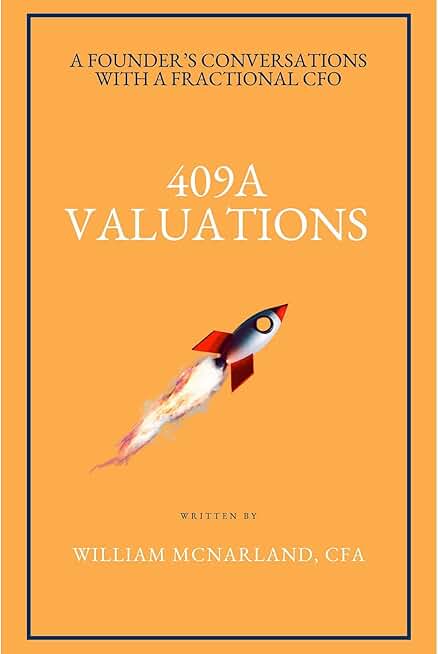

409A Valuations
Lornicia.ashley
Описание
A Founder’s Conversation with a Fractional CFO distills William McNarland’s 25 years in private equity and valuation into a founder-friendly series presented as direct Q&A. Each concise chapter opens with a single question he has fielded thousands of times from real founders, whether it is how to interpret unit economics, when to refresh a valuation, or what Investors expect in a data room, and then delivers a practical answer you can apply in minutes. The format let's busy leaders jump straight to the topic that keeps them up at night without wading through theory, while the cumulative arc builds a solid grasp of finance that turns board meetings from stressful to strategic. Clear language, concrete examples, and a focus on decision costs over jargon make the series a reliable desk reference whenever cash, capital, or control comes into play.In this volume, founders will learn exactly how to manage option strike prices within IRS rules, avoiding severe penalties and payroll headaches that can arise from undervalued grants. Each Q&A chapter directly addresses practical founder concerns, such as “When does a startup need its first 409A valuation?”, allowing readers to jump straight to the answers they need. Founders will understand precisely which events trigger new valuations, how preferred-share terms impact common-stock value, and how proper documentation prevents costly audit surprises. Armed with this knowledge, leaders can confidently negotiate term sheets, safeguard employee incentives, and smoothly manage due diligence—ensuring their capital raises, cash management, and board conversations remain disciplined and effective.A Founder’s Conversation with a Fractional CFO equips founders with the sharp financial tools needed to fund their vision, hit their goals, and run their companies with confidence.Read more
Загрузчик
Lornicia.ashley
Похожие работы

Эпизоды (23)
1. What is a 409A valuation, and Why does the IRS require it?
2. When should a startup order its first 409A valuation?
3. How long does a 409A report stay valid?
4. Which events void a 409A valuation?
5. Who qualifies as an independent 409A appraiser?
6. What documents and data are needed for a 409A valuation?
7. Which 409A valuation methods are most suitable for early versus later stages?
8. How does a preferred price translate into a 409A common value?
9. What safe harbor protection does a compliant 409A report provide?
10. What penalties follow grants priced below 409A fair market value?