
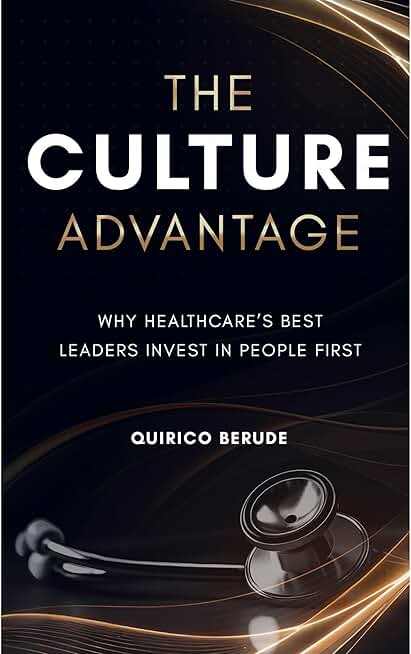

The Culture Advantage: Why Healthcare’s Best Leaders Invest in People First
Assala.Nasri.Tiktok
Description
What if the next time you needed urgent medical care, no one was there to help you?You call an ambulance, but none are available. You rush to the ER, only to find exhausted nurses managing impossible patient loads. The system is stretched beyond its limits, and when it finally breaks, it will not just affect hospitals—it will affectyou.This is not just a healthcare industry problem. It impacts everyone who will one day need medical care—including your family, colleagues, and loved ones.Why This Book Matters—Even If You Don’t Work in HealthcareThe crisis in healthcare staffing is not new, butit is accelerating faster than anyone expected. Hospitals are struggling, professionals are leaving in record numbers, andpatients will suffer the most.Yet, the real issue is often overlooked:Why are so many healthcare workers choosing to leave?After more than14 years as an ICU nurse, I have seen firsthand the exhaustion, disillusionment, and frustration that drive my colleagues out of the profession. But one question has haunted me more than any statistic:“What would have to change for me to stay?”This book is my answer.With a background incritical care, philosophy, and healthcare management, I explore the deeper reasons behind the workforce crisis—not just financial and operational challenges, but theculture of healthcare itself. More importantly, I offerreal solutions—strategies that have already helped hospitals and organizations rebuild, retain, and reinspire their staff.What You’ll Learn in This BookThis book is not about quick fixes. It is ablueprint for long-term, sustainable change—one that strengthens leadership, improves workplace culture and creates a healthcare system that professionals won’t feel the need to escape.Inside, you’ll discover how top-performing healthcare organizations have:Reduced staff turnover by 45%, improving patient care while cutting costs.Accelerated recruitment, filling critical positions in half the time.Prevented burnout, ensuring professionals remain engaged, motivated, and effective.Save
Œuvres associées

Épisodes (16)
Introduction
1. Modern Personnel Management in Healthcare—The Leadership Imperative
2. The Next Evolution—Revolutionizing Healthcare Leadership for the Crisis Era
3. Modern Recruitment Strategies in the Digital Age
4. The Importance of Training and Career Development
5. Employee Satisfaction and Workplace Culture
6. Integrative Technologies and Innovations in Care
7. Mastering Challenges in Personnel Management
8. Sustainable Strategies for the Future of Care
9. Crisis-Ready Leadership—Building Resilient Healthcare Teams