
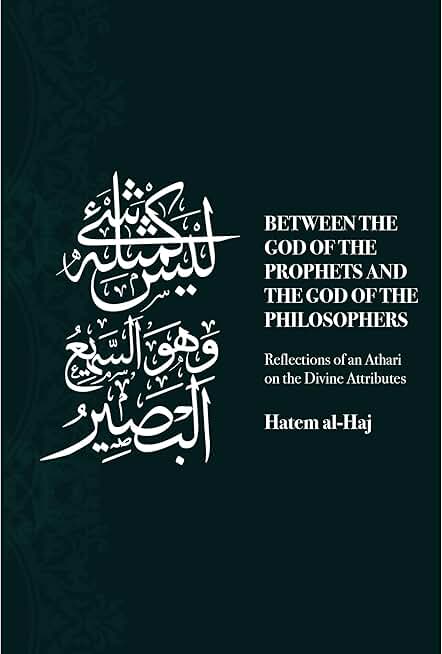

Between the God of the Prophets and the God of the Philosophers: Reflections of an Athari on the Divine Attributes
AsHish PuNjabi
Description
The apophatic god of negative theology is the areligious philosophers’ preferred god; a god which is remote, detached, and can hardly be an object of adoration or worship, even though it may be an object of wonderment. This is not God according to the Prophets. However, the depiction of God in the theistic traditions has been always charged with anthropomorphism. In this book, I attempt to respond to this charge and explain what Athari (scripturalist) Muslim theologians believe about the Divine attributes and why. Where Do We Get Our Belief From? Our Epistemological Position. The Role of Truthful Reports. The Role of Reason. The Place of Kalâm: Reason as a Tool of Understanding and Armor for Defense. A Typology of Islamic Positions on the Attributes of God. What Do We Believe In?Why Do We Believe in Amodal Affirmation and Why? Do We Believe It Is Important? What Are the Counter Arguments? Reports from the Salaf; Conflict with Reason; The Perfect Does Not Change; The Composite god and Divisibility; Anthropomorphism and Assimilation. Conclusion: Ontologically, no extant being lacks quiddity and attributes. Noumenally, the apophatic god is nonexistent, and phenomenally, it cannot be felt or related to, let alone loved and worshiped. In conclusion of this work, here are my recommendations: To be deserving of Divine guidance, we need to purify our intentions by true devotion to Allah. We also need to constantly rehabilitate our fiṭrah and heal it from the ills of bias (hawa), ulterior motives (aghrâḍ), blind imitation (taqleed), habit (‘âdah), and conjecture (gharṣ). This can only be done through spiritual labor and immersion in the Revelation as understood and practiced by the first community. We must not subject the Divine instruction to prevalent intellectual or social conventions or transplant xenografts and foreign discourses into our hermeneutical system. We must affirm our belief in the epistemic superiority and self-sufficiency of the Revelation as the ultimate source of truth about the unseen. This will never
Diffuseur
glenn_moon
Œuvres associées

Épisodes (4)
Introduction
A Typology of Islamic Positions on the Attributes of God
What Do We Believe In?
End Credits