
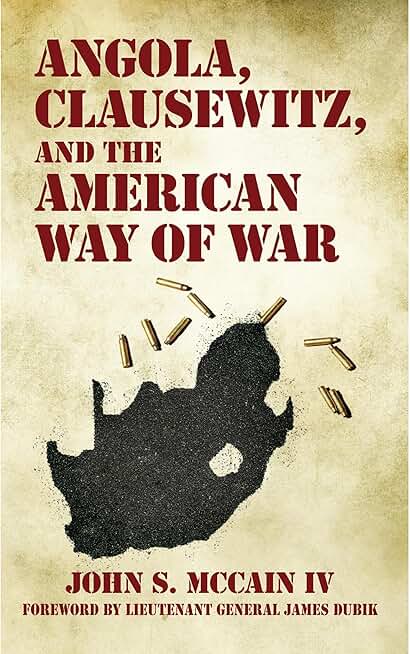

Angola, Clausewitz, and the American Way of War
The Ndlovu’s Uncut
Description
For over twenty years, the South African Border War was fought to counter the influence of Marxism-Leninism and to maintain control of Namibia. The South African people relied on cultural tools and adaptive strategies to protect their own interests. John S. McCain IV isn?t interested in taking sides on this issue; instead, he analyzes the military?s tactics, operational effectiveness, and strategy.Angola, Clausewitz, and the American Way of Warexplores the concept of strategy making in war within the context of the South African Border War. It describes the danger of leaning on middle-range theories over general theories and of starting the decision-making process in the middle rather than at the top.Wars should not be forced into a type as one thing or another?and then assumed to be all the same, based on that type. Each individual war should be seen for what it is, unique, and those in charge should be prepared to make changes and reevaluate every step of the way to account for all the moving pieces and the realities on the ground.In the same vein asThe Direction of Warby Hew Strachan, McCain recognizes that US wars since 9/11 have been poorly strategized. This heavily researched volume challenges traditional approaches to conflict and suggests ways they could be improved.Read more
Œuvres associées

Épisodes (12)
Foreword by Lieutenant General James Dubik
Author’s Preface
Introduction: General Theory and American Warfare
What Was the South African Border War?
Why the Angola Case Study?
1976: Setting the Stage
Koevoet: Police Operations on the Angolan Border
Operation Moduler: Olifants, Ratels, and Vlamgats
32 Battalion: Warfare by Different Means
A Forgotten Conflict, a Useful Lesson