
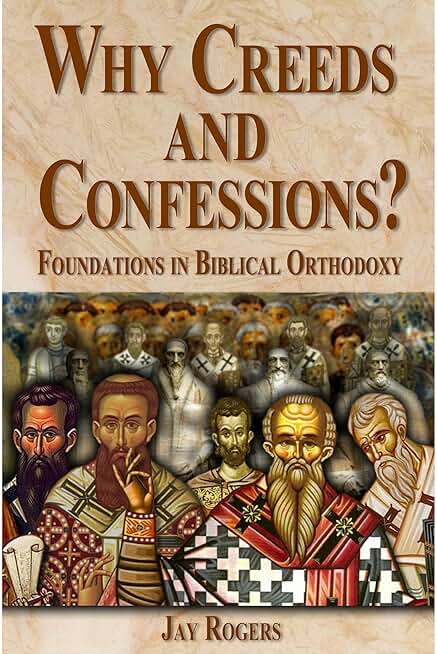

Why Creeds and Confessions?: Foundations in Biblical Orthodoxy
ama_ghana_1
Description
Driving down a country road sometime, you might see a church with a sign proudly proclaiming: “No book but the Bible — No creed but Christ.”The problem with this statement is that the word creed (from the Latin: credo) simply means “belief.” All Christians have beliefs, regardless of whether they are written. The creeds of the early Church were nothing more than scriptural statements of faith put into a systematic format. The emphasis on creeds and confessions suffered a blow at the end of the 19th century, when conservative evangelicals did away with most of the public reading of Scripture, creeds and confessions. Deemphasizing the public reading of creeds was intentionally good, but it had disastrous consequences.Why a book on the creeds and confessions of the Church?A single book containing the actual texts of the most important creeds of the early Church will not often be found. Out of the multitude of works on the evangelical Christian book market today, those dealing with the creeds of the Church are scarce.This book contains the full texts of the most important creeds of the early Church. The purpose is to put into the reader’s hands a book containing the creeds that all Christians throughout the ages — Roman Catholic, Eastern Orthodox and Protestant — have believed. When we come to the Reformation period, we will see that the matter of salvation and church government became a matter of debate. However, there has always been a continuous thread of teaching that all Christians have held in common. This area of common ground for belief is called biblical orthodoxy. The study of orthodoxy is the basis for promoting unity since, by definition, this is what all Christians must agree upon.Why Creeds and Confessions?provides a foundation of biblical orthodoxy as a defense against the false and truly heretical doctrines advanced by the spirit of this ageRead more
Related Works

Episodes (16)
Forward
Chapter 1: The Names and Attributes of God
Chapter 2: The Authority of Scripture
Chapter 3: Why Creeds and Confessions?
Chapter 4: The Trinity: Father, Son, and Holy Spirit
Questions for Chapter 4
Chapter 5: Christology
Questions for Chapter 5
Chapter 6: Protestants and Roman Catholics
Questions for Chapter 6