
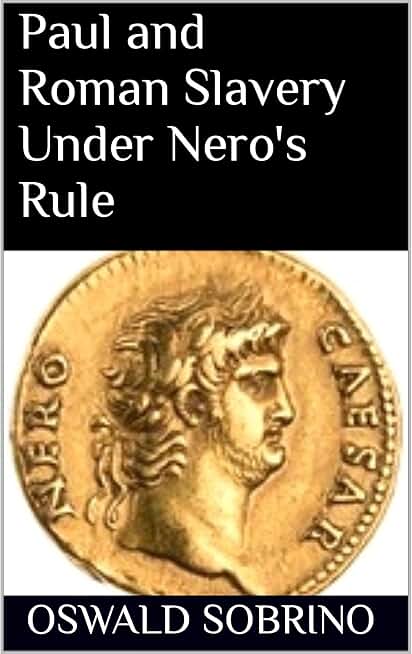

Paul and Roman Slavery Under Nero's Rule
🤴🏼Hamza Asrar🤴🏼
Description
In this book, I offer a persuasive historical explanation of why Paul did not explicitly condemn the institution of Roman slavery and why Paul did not urge that freedom be granted to all Roman slaves. In an earlier book, I showed that the Stoic philosopher Seneca did not condemn Roman slavery or call for emancipation because Seneca accepted the absolute political authority of the Emperor Nero as the de facto political slave master of the Roman world, despite Seneca's emphasis on the human dignity of the slave. In the same way, Paul's acceptance of Nero's absolute authority as the political slave master of the Roman world foreclosed any attack on the institution of Roman slavery or even a call for gradual emancipation of slaves, although Paul, like Seneca, emphasized the dignity of the slave. This book focuses on the specific historical and political circumstances of Paul. Therefore, this book does not seek to offer a comprehensive theological study of the Christian view of political authority as contained in the entire New Testament or as developed in later Christian tradition.Another series on great thinkers, also by Oswald Sobrino, includes a related book entitled5 Lessons from Paul(2022) also at Amazon.Read more
Related Works

Episodes (14)
Introduction
Chapter 1: From Jerusalem to the Far West
Chapter 2: Be Subject to Nero
The Political Metaphor from Slavery
The Moral Metaphors from Slavery
Chapter 4: Paul on Household Slavery
Galatians 3:28: One in Christ
1 Corinthians 7:20-24: If Possible, Seek Freedom.
Letter to Philemon: Now a Brother
Letter to Titus and Household Codes