
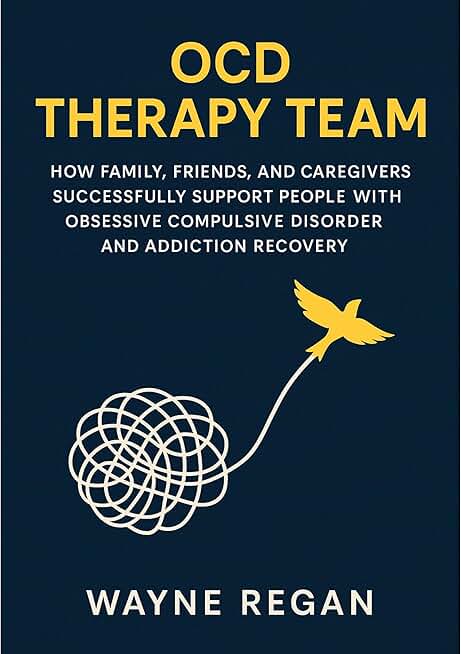

OCD Therapy Team: How Family, Friends, and Caregivers Successfully Support People with Obsessive Compulsive Disorder and Addiction Recovery
Barbi Sermy
Description
Unlock the Secrets to Supporting Loved Ones with OCD and Addiction RecoveryAre you a caregiver, family member, or friend struggling to support someone with Obsessive-Compulsive Disorder and addiction? You’re not alone. The emotional toll, the constant worry, and the feeling of helplessness can be overwhelming. But there is hope and a way forward.OCD Therapy Team: How Family, Friends, and Caregivers Successfully Support People with Obsessive Compulsive Disorder and Addiction Recoveryoffers a comprehensive guide to transforming your support approach, empowering you to make a real difference in your loved one's recovery journey.Gain a deep understanding of the intertwined nature ofOCD and addiction, and how early intervention canimprove recovery outcomes.Learneffective communication strategiesthat foster empathy and open dialogue without enabling harmful behaviors.Discover practical tools andcoping mechanismsto manage stress andprevent caregiver burnout.Build acollaborative treatment teamand advocate effectively for your loved one's needs within the healthcare system.Empower your loved one to thrive inindependence and self-advocacy, celebrating progress and building essential life skills.Written by Wayne Regan, a seasoned expert in mental health and addiction recovery, this book stands out for its practical approach and empathetic insights. Wayne's extensive experience and dedication to helping caregivers navigate these complex challenges make this a must-read for anyone committed to supporting their loved ones.Take the first step towards a more supportive and effective caregiving journey. Purchase your copy today and transform your approach to OCD and addiction recovery!Read more
Uploader
Barbi Sermy
Related Works

Episodes (8)
Chapter 1: Understanding OCD and Addiction
Chapter 2: The Caregiver's Role
Chapter 3: Effective Communication Strategies
Chapter 4: Practical Tools for Support
Chapter 5: Collaborating with Professionals
Chapter 6: Managing Relapses and Setbacks
Chapter 7: Fostering Independence and Empowerment
Chapter 8: Long-Term Recovery and Maintenance